Welcome to this practical guide dedicated to the microphone. Here, you will find a playlist designed for beginners, big voices and groups.
The idea: to help you choose a song according to the mood you want — getting everyone to sing, moving people, dancing or causing laughter — and according to how easy the lyrics are.
French songs work particularly well at the microphone: their familiar choruses, shared heritage and the pleasure of singing together quickly create memorable moments.
This guide offers a clear structure: cross-generational classics, recent pop, rock to sing as a group, duets, ballads and more demanding songs for the most confident singers.
We also think about every vocal range: options for low voices, high voices, spoken-sung styles or powerful passages. What matters? Energy and participation, not perfect pitch.
For more songs and a reference selection, follow the link and get ready for your next evening.
French karaoke songs: a selection for every voice
To choose the right song at the microphone, first think about the effect you want: bringing people together, making them dance, shout, share, feel moved or perform. This approach helps you quickly find a song suited to your vocal range and level.
Cross-generational classics that get the party going
Safe bets like “Les Lacs du Connemara” or “Il jouait du piano debout” create an instant atmosphere. These choruses bring people together, even if the performance is approximate.
Recent pop and variety
Current songs (Angèle, Stromae, Zaz) modernize the playlist. The choice often depends on the audience’s age and musical references.
Rock to sing as a group
Songs like “L’Aventurier” work thanks to collective energy. The group makes up for any pitch issues.
Duets for sharing the microphone
“Sous le vent” or “J’irai où tu iras” let you divide the verses according to vocal range. That way, no one gets exhausted too quickly.
Ballads and emotional moments
For a suspended moment, choose a ballad (for example: “Je te promets”). Start softly, then let the audience carry the chorus if you wish.
Fast lyrics and challenges
Some hits require diction and breath control, such as “La Tribu de Dana”. If you are a beginner, choose a simpler song; otherwise, embrace the challenge.
For an expanded list of songs and ideas, see this recommended selection.
Great classics of French song to know by heart
A repertoire of classics can turn a bar into a real choir in just a few notes. These tunes offer choruses that everyone remembers and joins in without hesitation.
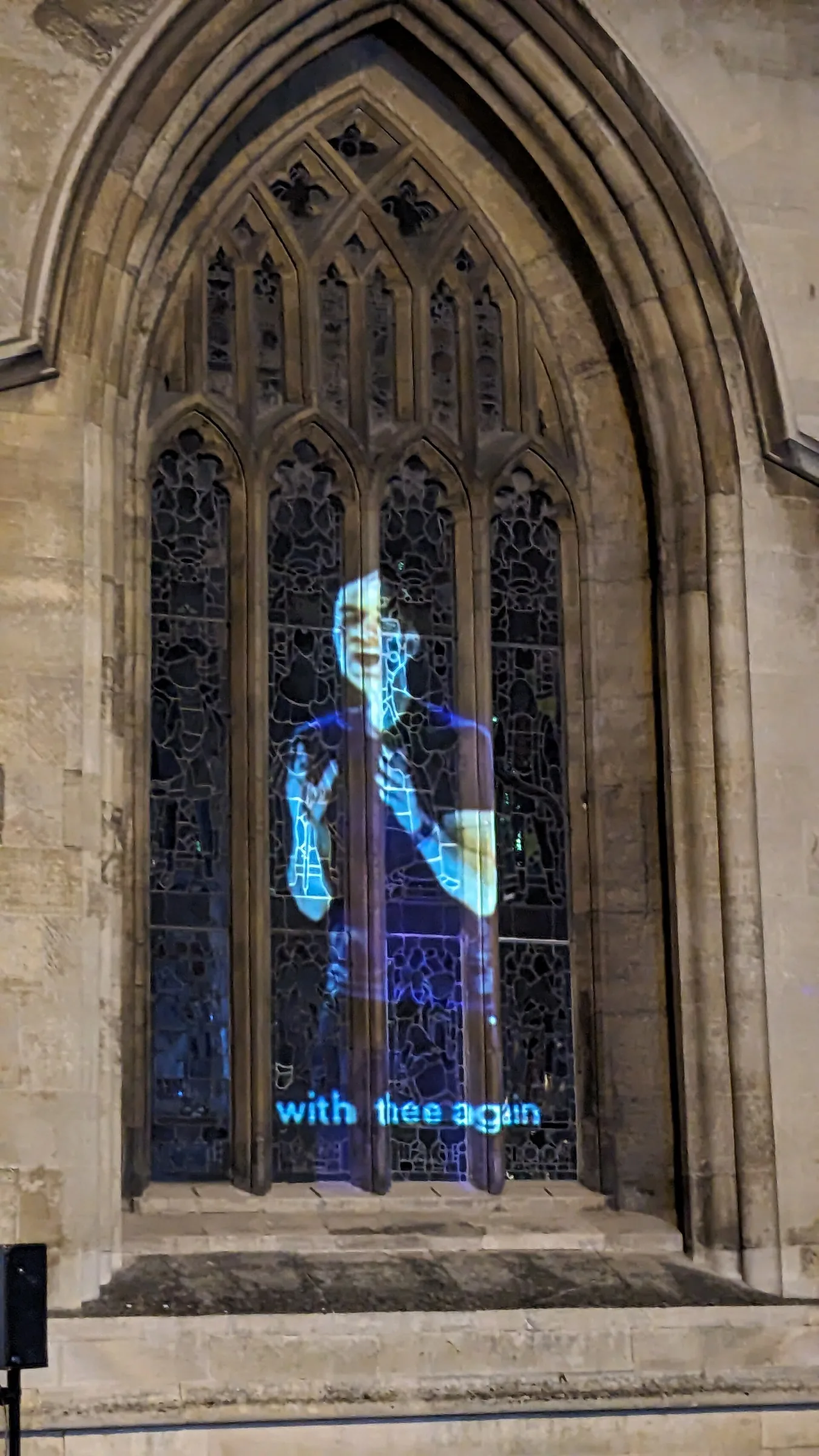
Unifying choruses for singing with everyone
Among the very effective options: “Emmenez-moi”, “Les Lacs du Connemara” or “Je l’aime à mourir”. These choruses have simple, soaring lyrics, ideal when the room gets louder.
Practical pointers:
- Long verses, but short choruses: you can let the audience fill in the chorus.
- If you run short of breath, speak-sing the verses and push harder on the chorus.
- Choose a suitable key to protect your voice.
Monuments to perform with intensity, even if you sing out of tune
Songs like “Amsterdam”, “Mistral Gagnant” or “L’Aigle noir” require commitment and diction. Intention comes first: articulate, play with the silences and embrace the theatricality.
La Vie en rose works as a duet, as a gentle moment or at the end of the evening. Adapt the interpretation: more intimate in the verses, broader in the chorus to bring everyone along.
| Title | Strength | Complexity | Tip |
|---|---|---|---|
| La Vie en rose | Emotion, duet | Low | Soften the verses, leave the chorus to the audience |
| Amsterdam | Drama, storytelling | Medium | Work on diction, play the build-up |
| Mistral Gagnant | Intimate, nostalgic | Low | Slow tempo, emphasize the silences |
| Emmenez-moi | Unifying chorus | Low | Push the chorus with the audience |
To explore the history in more depth and discover other classics, see this page on the history of French song.
Recent and trending French hits for a modern atmosphere
Recent hits instantly bring a musical evening up to date. They speak to younger audiences and create a contemporary atmosphere. Add a few current songs to your selection to vary things alongside the classics.
Ultra-famous hits for a karaoke evening with friends
- Balance ton quoi (Angèle) — Easy: catchy chorus.
- Papaoutai (Stromae) — Demanding: fast flow in the verses.
- Pookie (Aya Nakamura) — Medium: rhythmic hooks.
- Avenir (Louane) — Easy: singable chorus.
Lively songs that get the room dancing
Choose songs with a strong rhythm and memorable hooks. “Tous les mêmes”, “Pookie” or “Christine” often get people moving and trigger partial sing-alongs from the audience.
When to choose recent songs according to age and style
If the group needs an energy boost, favor an upbeat song. If the goal is to sing together, choose a simple, repetitive chorus.
| Title | Artist | Strength | Complexity |
|---|---|---|---|
| Balance ton quoi | Angèle | Memorable chorus | Low |
| Papaoutai | Stromae | Energy and hook | High |
| Pookie | Aya Nakamura | Danceable rhythm | Medium |
| Avenir | Louane | Accessible | Low |
Anti-flop tip: test one or two recent songs at the start of the session. If no one joins in, return to a unifying classic.
Making your karaoke evening in France a success
Organizing a successful evening starts with a playlist that can bring everyone along. Think about balance: familiar choruses, simple lyrics and a gradual rhythm. Start with easy songs, build toward a unifying peak, then finish with a big finale.
Criteria for a successful playlist
Simple grid: assess each song using three criteria — difficulty (flow, vocal range), collective singing potential and ability to revive the room.
| Criterion | Indicator | Action |
|---|---|---|
| Difficulty | Flow / vocal range | Assign Beginner / Medium / Challenge |
| Choir | Memorable chorus | Place at a unifying peak |
| Revival | Rhythmic energy | Use after a lull |
Accessories and staging
Wireless microphone, LED or disco lighting and a few costumes (wigs, glasses, boas) turn a living room into a stage.
“68% of French people believe that music strengthens cohesion during group events.” — IFOP
Offer activities: assigned duets, collective chorus, audience vote and quick rotation. These mechanics maintain the pace and encourage even the shyest participants.
Benefits of singing together
INSERM indicates that singing together reduces anxiety and promotes well-being. Karaoke therefore remains an excellent tool for cohesion, with family or during a team activity.

For song ideas and technical tips, see this practical guide. Useful reminder: the main thing is to laugh, sing as a group and leave with a few choruses stuck in your head.
Conclusion
To finish, remember that a good program relies on variety and participation.
A good list combines cross-generational classics, recent hits, duets, rock and ballads. That way, everyone finds their place and the whole room stays engaged.
Save a unifying finale: “Les Lacs du Connemara” works wonderfully to bring the whole room together.
If you want collective energy, suggest “L’Aventurier” as a rock moment that unites the group.
Practical tip: pick 10 to 20 songs from the article, order them by rising energy and adjust live. To expand your base, see the 2025 karaoke song selection.